
Organic and Specialty Products
Introduction
The global demand for organic and specialty vegetables and fruits has experienced a significant and sustained increase in recent years. Consumers worldwide are becoming increasingly health-conscious and environmentally aware, which has led to a remarkable surge in the consumption of organic and specialty products. This trend is not confined to domestic markets; it also extends to international trade. In this comprehensive article, we will delve into the latest trends in the export of organic and specialty vegetables and fruits.
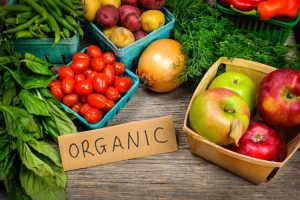
Growth in Organic Farming
The organic farming sector has undergone remarkable growth over the past decade. This expansion can be attributed to the increasing awareness among consumers about the myriad benefits of organic products. These benefits include reduced exposure to pesticides and synthetic chemicals, enhanced nutritional value, and positive environmental impacts. As a result, many countries have made substantial investments in expanding their organic farming practices to meet the growing demand for organic vegetables and fruits, both for domestic consumption and export.
Expanding Export Markets
The export of organic and specialty vegetables and fruits has transcended geographical boundaries, reaching a truly global scale. Traditionally, North America and Europe were the primary export markets for organic produce. However, in recent years, there has been a noticeable shift, with emerging markets in Asia and the Middle East displaying a growing appetite for these products, In particular, has emerged as a significant player in the global organic market, both as a producer and a consumer. This geographical diversification of export markets has opened up new opportunities for producers and exporters.
Certification Standards
To meet international quality and safety standards, many exporting countries have adopted rigorous certification processes for organic and specialty products. These certifications assure consumers that the products meet specific organic standards, which include the use of natural fertilizers and pesticides, adherence to non-GMO practices, and the implementation of sustainable farming methods. Some well-known certification bodies include USDA Organic (United States), EU Organic (European Union), and JAS (Japan Organic Standard). These certifications not only ensure product quality but also facilitate access to international markets.
Sustainable Packaging
An emerging trend in the export of organic and specialty vegetables and fruits is the emphasis on sustainable packaging. Eco-conscious consumers are not only concerned about the quality of the products but also the environmental impact of the packaging materials. In response, many exporters have transitioned towards using eco-friendly packaging options, such as biodegradable and compostable materials, to reduce their carbon footprint. This shift towards sustainable packaging aligns with the broader global sustainability goals.
Product Diversity
The range of organic and specialty vegetables and fruits being exported has become increasingly diverse. While staple products like organic apples and tomatoes continue to dominate the market, there is a growing demand for exotic and unique varieties. Consumers are actively seeking out specialty items such as organic dragon fruit, heirloom tomatoes, and rare citrus fruits. This diversity allows exporters to cater to niche markets and fetch premium prices, ultimately contributing to the profitability of their operations.
Value-Added Products
Exporters are placing greater emphasis on value-added products derived from organic and specialty produce. These value-added items encompass a wide range of products, including organic fruit juices, dried fruits, fruit preserves, and even specialty fruit-based snacks. Value-added products not only offer an extended shelf life but also add significant value to the export portfolio, resulting in higher revenues. Moreover, they cater to consumers looking for convenient and healthy options.
E-commerce and Direct-to-Consumer Sales
The rise of e-commerce platforms has revolutionized the way exporters reach consumers. This trend has been further accelerated by the COVID-19 pandemic, which prompted a surge in online shopping for groceries and food products. Recognizing this shift in consumer behavior, exporters are increasingly exploring direct-to-consumer sales models. This approach enables them to bypass traditional distribution channels and directly connect with consumers worldwide, creating opportunities for market expansion and brand recognition.
Sustainability and Ethical Practices
Consumers are increasingly interested in the ethical and sustainability practices of exporters. They want to know that the products they purchase are produced in an environmentally responsible and socially sustainable manner. Exporters that can showcase their commitment to these values often gain a competitive edge in the market. Practices such as fair trade, support for local communities, and environmentally friendly farming techniques resonate well with conscientious consumers.
Challenges in Exporting Organic and Specialty Produce
Despite the promising trends, exporters in the organic and specialty produce industry face several challenges:
- Consistent Quality: Maintaining consistent product quality can be challenging, particularly for organic products, due to the reliance on natural farming methods and unpredictable weather conditions.
- Compliance with International Standards: Meeting varying international standards and regulations for organic and specialty produce can be complex and costly. Exporters must invest in rigorous compliance measures.
- Transportation and Logistics: The perishable nature of fruits and vegetables demands efficient transportation and logistics systems. Maintaining the freshness and quality of products during transit is crucial.
- Fluctuating Market Prices: The prices of organic and specialty products can be volatile, influenced by factors such as seasonal fluctuations in supply, changes in consumer preferences, and global economic conditions. Exporters must navigate these price fluctuations to maintain profitability.
Conclusion
The export of organic and specialty vegetables and fruits is a dynamic and growing industry. As consumers around the world become more health-conscious and environmentally aware, the demand for these products continues to rise. Exporters who adapt to the latest trends, maintain high-quality standards, and embrace sustainable practices are well-positioned to thrive in this competitive market. As the industry evolves, it will be exciting to see how exporters continue to meet the demands of a global market hungry for organic and specialty products. These trends are not only shaping the industry but also contributing to a more sustainable and healthy global food system.
Rad Golden Leaf General Trading LLC is a reputable company specializing in the export of fruits and vegetables, adhering to international trade principles. Additionally, the company is involved in the import of raw tobacco materials. Their strong commitment to quality and compliance with industry standards has established them as a trusted player in the global agricultural and tobacco supply chain. Their dedication to excellence ensures that customers receive top-notch products and services in both the export and import sectors.